
Wow! I get why people gravitate to fast, slick wallets.
Seriously? The UI matters a lot more than you’d think. The way a wallet fits into your browsing flow changes how often you use DeFi. Initially I assumed extensions were all the same, though actually the subtle differences add up — transaction speed, token visibility, and integration with dApps all shape the day-to-day. So yes, this is about more than looks; it’s about the small frictions that make or break a wallet for daily DeFi use.
Okay, so check this out — Phantom is the extension many Solana users talk about. Hmm… it shows balances inline, it suggests fee options, and it tries to make staking and NFT viewing straightforward. On one hand that’s great. On the other hand, there are pitfalls if you aren’t careful about where you download an extension from, or how you handle your seed phrase. My instinct said: assume the store is full of lookalikes, and act like every click could be the one that matters.
Here’s the core idea. Phantom is designed specifically for the Solana ecosystem, which means it supports SPL tokens, NFTs, and common Solana DeFi flows more naturally than a generic wallet. That ecosystem focus gives it speed and fewer surprises when interacting with dApps. But somethin’ else is true too: being popular makes it a target. Developers and users both need to treat it like a valuable key — because it is.
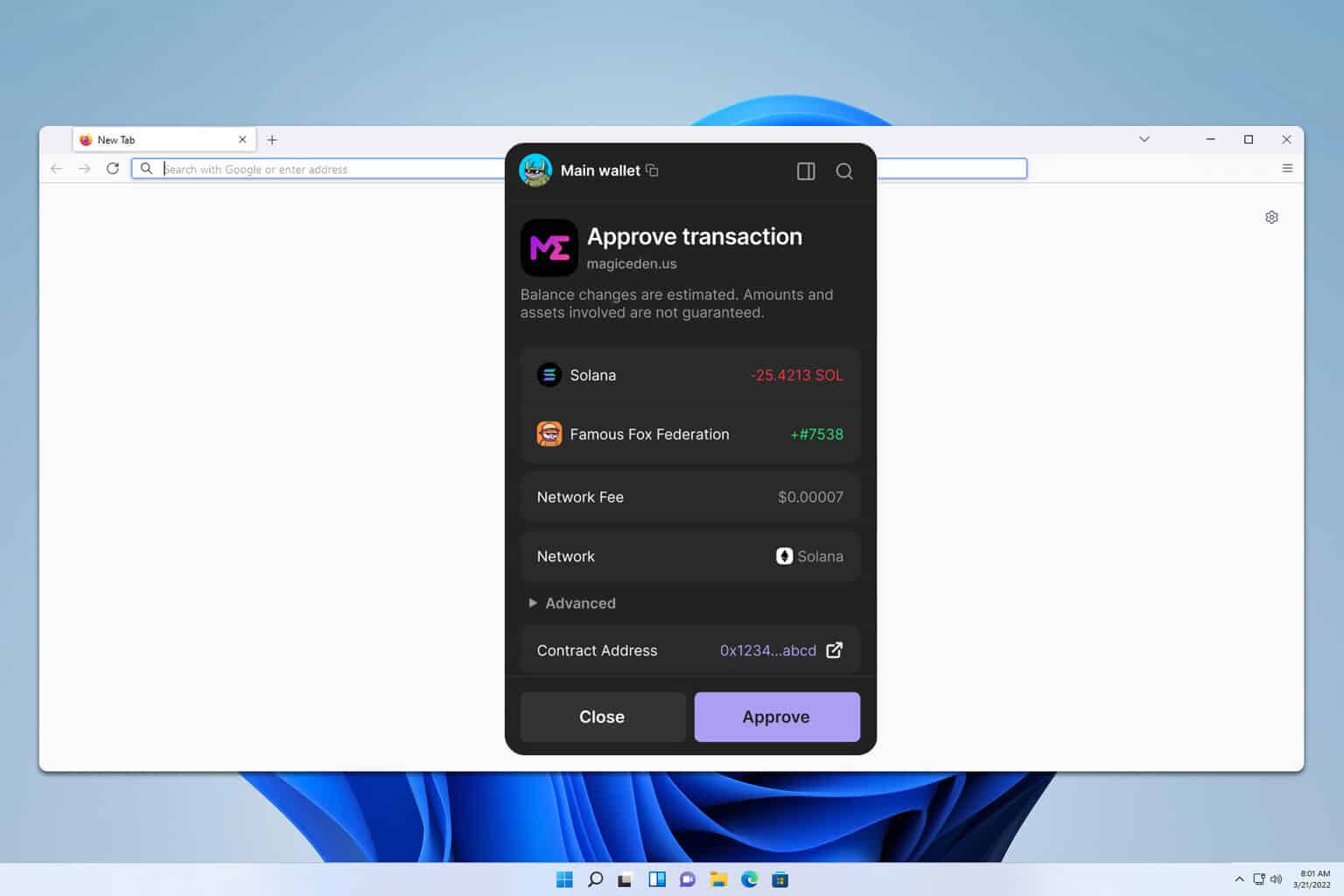
What Phantom does well (and why that matters)
Fast transactions. Low fees. Clean interface. Those are the headlines. Phantom surfaces token balances clearly, shows NFT galleries, and integrates with major Solana apps so signing a transaction is often one click away. That convenience is huge when you’re moving funds for a trade or minting an NFT quickly. But convenience is a two-edged sword; convenience plus browser extensions equals responsibility.
I’ll be honest — I’m biased toward wallets that reduce cognitive load. If I can see my balance and sign a tx without hunting through menus, I’m much more likely to actually manage my assets responsibly. Yet that same ease makes it tempting to approve prompts too quickly. This part bugs me: approvals are often written in technical language and people just click through. Pay attention to what you approve, even if the UI makes it feel harmless.
Security basics — not rocket science, but very very important
Whoa! No one wants to be preachy. But this is practical. Treat an extension like a high-value credential. Keep the seed phrase offline. Use a hardware wallet if you do high-value trades frequently. Use a password manager for browser profiles if you share a machine. And always verify the extension’s source before installing.
One simple safeguard: only install from official or well-known distribution pages and check the publisher metadata in the store. Many malicious clones mimic names and icons. If you ever see unfamiliar permission requests, pause. On the desktop, prefer using a dedicated browser profile for crypto to reduce exposure to random web trackers or extensions that might interact oddly. (oh, and by the way… disable auto-fill for anything related to your seed phrase.)
Where people trip up with browser wallet extensions
Most mistakes aren’t dramatic. They’re tiny and cumulative. People reuse passwords, they copy seed phrases into cloud notes, or they approve transactions without reading. Those choices compound. If you connect a wallet to a risky site and give approval, you could grant access to funds or tokens. That’s how social engineering and malicious dApps still succeed.
On the flip side, if you keep a cautious routine — backing up seed phrases offline, verifying extension IDs, and using hardware signing for big moves — you mitigate the majority of risks. It’s not infallible, but it’s effective. I’m not 100% sure any system is perfectly safe, but these steps change the odds in your favor.
Where to get the extension (one safe link)
If you’re looking for the extension, make sure you follow a trusted path to the installer. For a rememberable starting point, many users link to the official reference pages; for convenience you can visit the phantom wallet page here: phantom wallet. That should help you avoid many of the fake listings floating around in search results.
Quick note: after installing, check the extension details — publisher name, number of reviews, and the permissions requested. If something feels off, uninstall and look for alternate sources or community verification. Community forums and official dApp recommendation pages also often point to the correct installer. But be mindful — forums can be noisy and sometimes outdated.
Using Phantom with DeFi on Solana
Phantom supports token swaps and simple DeFi interactions directly in the extension. That makes small trades and liquidity moves fast. For complex interactions — lending markets, leveraged positions, or cross-chain moves — I prefer using a combination of Phantom plus a hardware wallet or a secondary app to avoid putting everything behind one click. On one hand the extension is convenient; though actually splitting roles reduces risk.
Another practical tip: keep small amounts in your daily-use wallet and store the rest more cold. It’s a bit old-school advice, but it works. Treat your browser wallet like a checking account, not your entire savings. That mental model helps you make safer trade-offs when dApps prompt actions.
FAQ — quick answers to common questions
Is Phantom safe to use as a browser extension?
Generally yes if you follow basic security hygiene: download from trusted sources, back up your seed phrase offline, consider hardware for larger holdings, and verify permissions before approving transactions. Also monitor the extension for unusual updates and check community channels if something seems odd. I’m not guaranteeing anything — just saying it’s manageable with care.
Can I recover my Phantom wallet if I lose my device?
Yes, with your seed phrase you can restore your wallet in compatible software that supports Solana wallets. But if your seed phrase is lost or compromised, recovery becomes impossible. So store it offline and in multiple secure places if the amount matters to you.
Should I use Phantom for NFTs?
Phantom is convenient for viewing and transacting NFTs on Solana; it integrates with many marketplaces. If you’re collecting low-cost items, it’s very handy. For high-value NFTs, consider additional safeguards, like hardware integration or a vault-style approach, because a single compromised extension could jeopardize valuable assets.
Leave a Reply