
Whoa!
I kept expecting a clunky desktop-only setup that required dozens of steps. Phantom’s web UI loaded fast and was refreshingly simple to use. Initially I thought a browser wallet would sacrifice security for convenience—actually, wait—let me rephrase that: after inspecting signing flows, ledger support, and permission models, I realized the trade-offs are more nuanced than headlines suggest. My instinct said caution, though I ended up recommending it to colleagues.
Really?
Web Phantom wasn’t something I expected to be so polished out of the gate. It keeps your seed encrypted and uses the browser’s extension APIs to sign transactions. On the other hand, if you use public or shared machines, or allow random third-party sites to connect without vetting, you open up attack vectors that hardware wallets and dedicated apps avoid, so it’s not a free pass. So you need to pair it with good habits like site whitelisting and cautious dapp permissions.
Hmm…
The setup is familiar: install the extension, create or import a wallet, then set a password. Once set, you can switch networks, view balances, and inspect transaction histories right in the browser. I was surprised by small design choices—like the transaction preview UI that shows exact fee breakdowns and the RPC selection option—because those details make it easier to detect shady behavior before you sign anything. Something felt off about a couple of early dapps, so I revoked permissions immediately.
Here’s the thing.
If security is top priority, use Phantom with a hardware wallet like Ledger. It supports Ledger over USB and WebHID, and the pairing flow is straightforward. That’s important because signing on a physical device reduces the attack surface where malicious sites or browser extensions could attempt to intercept or trick your approvals, and it also future-proofs you against compromised machines. I tested both Ledger and software-only modes and noticed fewer prompts with hardware signing.
Wow!
Choosing the right RPC matters more than most people think for speed and reliability. Phantom allows custom RPC endpoints and has built-in defaults that work for 90% of users. But when you interact with high-throughput dapps or testnets, swapping to a local or higher-tier RPC can cut confirmation times dramatically, which matters for MEV-sensitive transactions and time-critical operations. So if you see slow confirmations, check your RPC provider and switch if necessary.
Seriously?
The token list, NFT gallery, and swap UI are all well integrated into one cohesive experience. You can hide tokens, create watchlists, and manage multiple accounts without leaving the extension. Though I wish the NFT viewer had better metadata parsing for obscure collections—sometimes images don’t render because of subdomain CORS issues or because creators use nonstandard token metadata—it’s still miles ahead of many alternatives. I also liked the peer-to-peer send feature and QR support for quick mobile transfers.
Whoa, again.
Managing dapp permissions is by far the trickiest part of a browser wallet experience. Phantom lists connected sites and lets you disconnect them easily. Make a habit of checking permission scopes, and when in doubt revoke access, because some dapps request broad authority over tokens or allow infinite approvals that are unnecessarily risky. I tend to remove access after using a one-off mint or swap, unless I plan repeat interactions.
Okay.
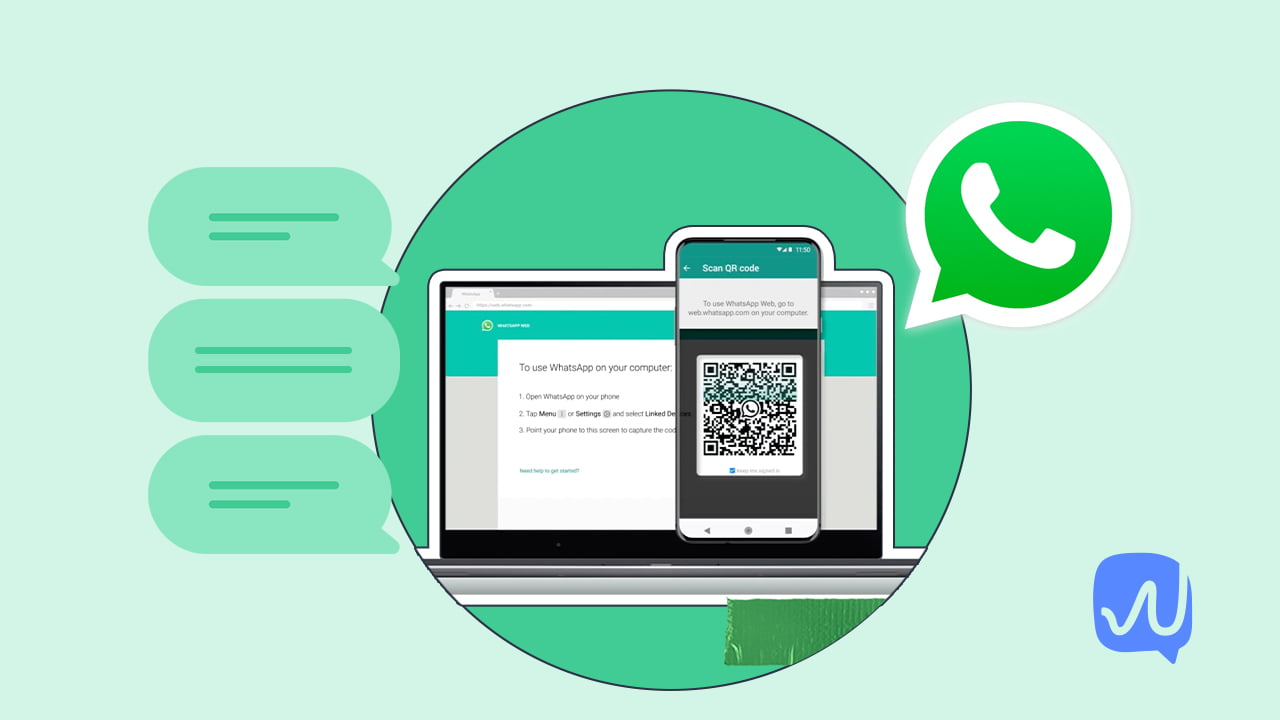
Phantom has mobile pairing via QR for a smooth cross-device flow. You can import the same seedphrase into the mobile app, but pairing keeps things tidy and avoids duplicates. If you’re juggling multiple devices and want session continuity, the QR pairing and account sync options are lifesavers, though you should still treat each device as a potential risk and lock them with strong OS-level protections. Pro tip: back up your seed phrase offline and verify it before wiping a device.
Hmm.
Solana’s high TPS means wallets must be fast and resilient. Phantom invests in performance optimizations and sensible defaults to keep UX snappy. Still, network congestion can create inconsistent confirmations and fee spikes, so advanced users often use specialized RPCs, transaction batching, or fee prioritization strategies to avoid failed transactions during drops or token mints. If you’re a power user, learn about durable nonce and partial signing flows.
I’m biased, but…
For most users the web version of Phantom strikes the best balance of convenience and security. If you follow basic hygiene—use hardware signing for large holdings, vet dapps before connecting, pick reliable RPCs, and keep your seed phrase offline—you’ll avoid the usual pitfalls and enjoy Solana’s speed without undue risk. If you’re curious, try it on a small account first and test every dapp connection. Go explore—somethin’ good’s waiting.
Try Phantom in your browser
If you want to test a browser-first Solana experience, the phantom wallet web extension is the obvious starting point; treat the first few sessions as experiments, use small amounts, and don’t rush into big stakes.
FAQ
Is a browser wallet safe enough for daily use?
Yes, for routine activity and small balances it’s fine—especially when paired with common-sense habits: lock your computer, avoid public Wi‑Fi, vet dapps, and consider hardware signing for any meaningful holdings.
Can I use Ledger with the web extension?
Absolutely. Phantom supports Ledger via USB and WebHID, and using a hardware wallet greatly reduces signing risks because transactions are confirmed on-device instead of relying solely on the browser.
What if a dapp asks for infinite approval?
Don’t do it. Revoke or set a limited allowance, and prefer per-transaction approvals when possible—many wallets and explorers let you check and revoke allowances easily.
Leave a Reply